What Problems
Do We Solve?
Whether for patients under anesthesia who cannot breathe independently or for long-term care relying on mechanical ventilation, breathing circuits, connectors and related consumables form the critical link between equipment and patient. Any leak or instability can compromise safety and procedural efficiency. With over thirty years of precision manufacturing expertise, Hsiner delivers perfectly fitted, leak-free and ultra-stable circuit systems, complemented by humidification and filtration consumables that condition the airway and protect both patient and equipment — ensuring smooth gas delivery, minimizing disconnection risks, and allowing clinical teams to focus entirely on patient safety.
Role in Breathing & Anesthesia Therapy
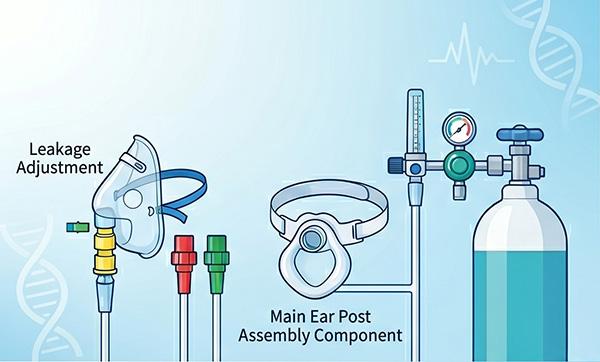
Induction Phase
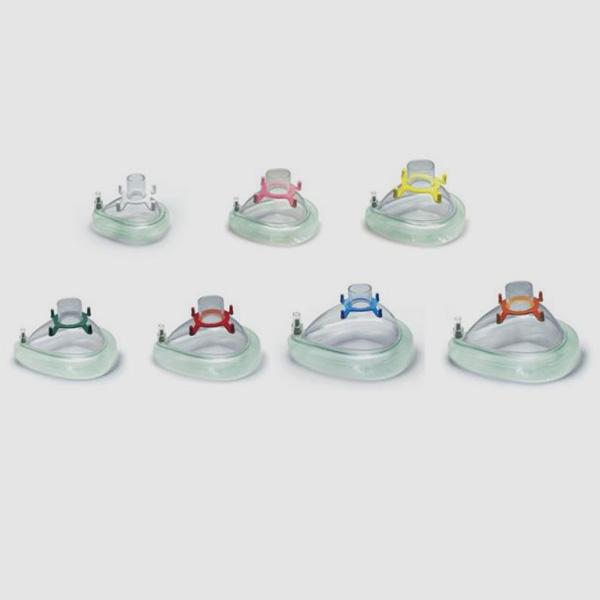
- Masks provide a secure pre-oxygenation interface, helping patients build oxygen reserves before intubation.
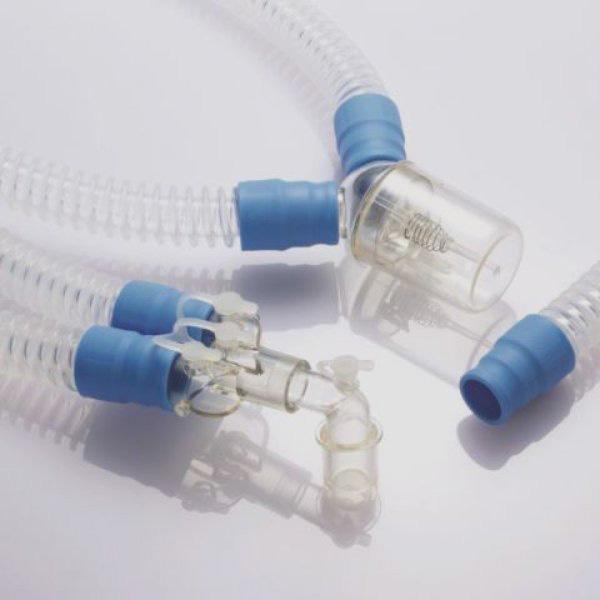
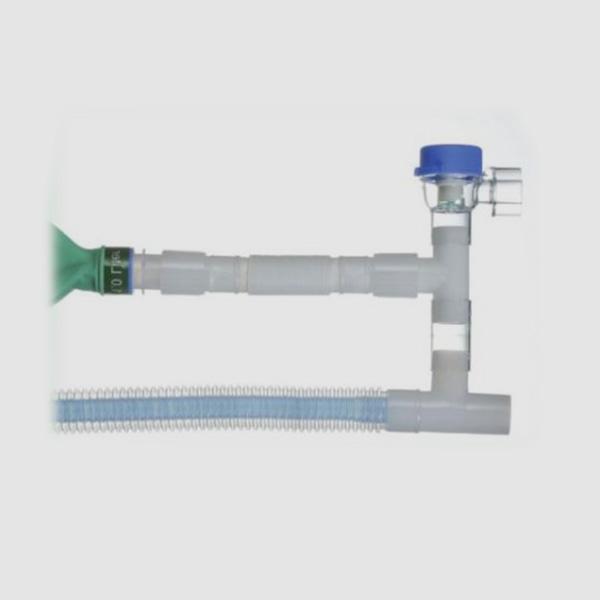
- Circuits ensure stable gas delivery from the anesthesia workstation, establishing a reliable initial airway connection.
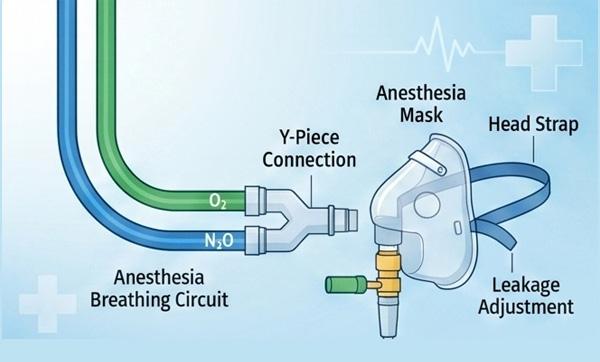
Maintenance Phase
- Breathing circuits continuously deliver anesthetic gases and oxygen, maintaining consistent intraoperative ventilation.
- High-compatibility connectors ensure uninterrupted system integrity throughout the entire procedure.
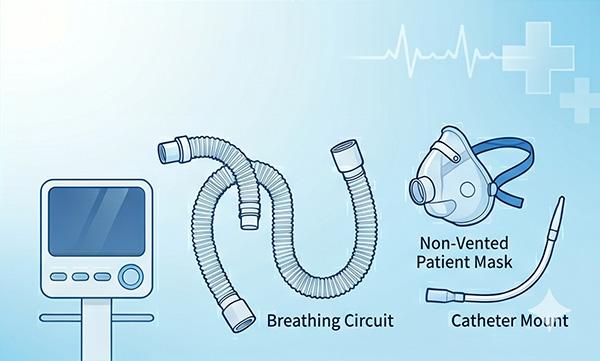
Ventilation Support
- Breathing circuits maintain the airtight, consistent connection between ventilator and patient required for extended mechanical ventilation.
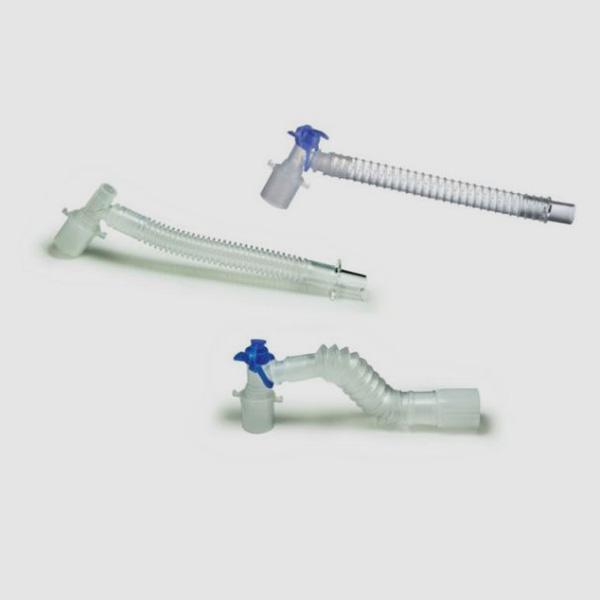
- Catheter mounts offer flexible proximal connections, simplifying bedside care and circuit adjustment.
- For non-invasive ventilation (NIV), Non-Vented (NV) masks pair with dual-limb ventilator circuits to provide a secure, well-sealed ventilation interface.
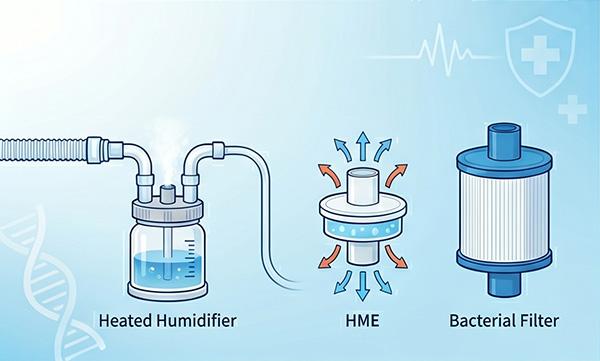
Humidification & Filtration
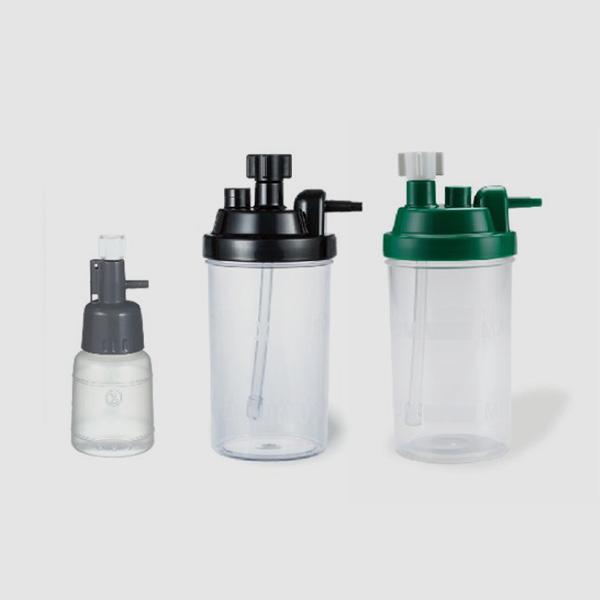
- Humidifier bottles add moisture to dry medical gases, reducing airway irritation and discomfort.
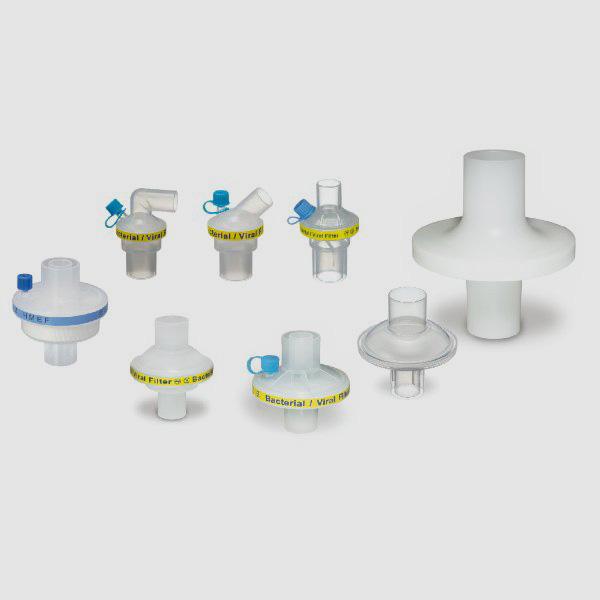
- Heat and Moisture Exchangers (HMEs) capture warmth and humidity from exhaled air and return it on inhalation, keeping the airway conditioned.
- Breathing filters effectively block bacteria and particulates, protecting both patient and equipment.
Related Products